
الأكراد يرحبون بمشروع تقسيم العراق لمناطق فدرالية

|
نجم الدين رئيس كتلة التركمان في برلمان كردستان (الجزيرة نت)
|
ويحث القرار -الذي وضع بوحي من اتفاق دايتون الخاص بالبوسنة- الحكومة الأميركية على دعم مشروع المصالحة بين المكونات الرئيسة في العراق والسماح وعبر اتفاق سياسي شامل بإنشاء مناطق فدرالية مع بقاء العراق موحدا، وتوزيع الثروات النفطية بالتساوي بين العراقيين للمساعدة في ترسيخ النظام الفدرالي.
وفي السياق رأى العضو في برلمان كردستان العراق محمد فرج أن تبني مشروع التقسيم الفدرالي في العراق يعني إلغاء جاء في اتفاقية سايكس بيكو بشأن العراق.
 |
|
مبنى برلمان كردستان العراق (الجزيرة نت)
|
لكنه أفاد بأن تطبيق مثل هذا المشروع لن يكون سهلا وسيحتاج إلى سنوات عدة للنظر في مشاكل السكان وتشكيل الكيانات الجديدة، وهنا يتطلب وجود طرف ثالث أو رابع مقبول لدى العراقيين للتحكيم بينهم.
Syria’s transitional authority missteps on Kurdish issue
Syria’s transitional authority has made a series of serious political and moral mistakes in its handling of the country’s diverse communities.
These mistakes have not been limited to the Kurdish population, but have affected nearly all components of Syrian society.
At the core of the problem lies a dangerous misconception: treating the post-Assad moment as a victory over the Syrian people, rather than a victory over the Assad regime itself.
For more than five decades, Syria was ruled by the Assad family and a narrow security and economic elite that included individuals from multiple sects. Entire communities did not govern the country, nor can they be held collectively responsible for the crimes of that system.
Yet under Ahmad Al-Sharaa, the transitional authority has increasingly adopted a discourse that implies collective guilt and justifies exclusion and punishment at the level of communities rather than individuals.
Ahmad Al-Sharaa’s approach reflects an intoxication with power that blurs the line between dismantling authoritarian rule and reproducing it in a new form.
Defeating a dictatorship does not grant the right to dominate society, impose political obedience, or marginalize dissenting voices. History across the region demonstrates that such behaviour leads not to stability, but to renewed authoritarianism and conflict.
The concentration of power within a narrow circle linked to Hay’at Tahrir Al-Sham has deepened these concerns. Instead of building an inclusive transitional framework, political participation has been restricted, while alternative voices have been sidelined.
This has created the perception that one exclusionary system is being replaced by another, rather than being dismantled altogether.
Syria’s pluralism is not a theoretical concept. It is a lived reality shaped by multiple nationalities, ethnicities, religions, and sects. Any political project that ignores this diversity, or attempts to erase it in the name of unity, risks tearing the country apart from within.
Calls for Syrians to engage politically only as abstract individuals, stripped of their Kurdish, Druze, or Alawite identities, have been perceived not as inclusive but as dismissive of historical injustice and legitimate grievances.
The Kurdish issue illustrates this failure with particular clarity. Kurds constitute Syria’s second-largest ethnic group, and the majority are Sunni Muslims. Instead of engaging them as equal partners in rebuilding the state, the transitional authority has adopted exclusionary and securitized policies that have transformed potential allies into adversaries.
This approach has weakened national cohesion and strengthened rival actors rather than marginalizing them.
A more constructive path was available. Without undermining Syria’s sovereignty or Arab cultural identity, the transitional leadership could have taken several nationally unifying steps.
These include constitutional recognition of Syria as a multinational and multireligious state, guarantees for mother-tongue education alongside Arabic, recognition of Nowruz as a national holiday, and equal access for all communities to political, cultural, and media institutions. Such measures would have built trust rather than resentment.
Serious concerns also surround questions of sovereignty and legitimacy. Rather than grounding its authority primarily in domestic consensus, the transitional leadership has relied heavily on regional and international backing.
While foreign engagement is unavoidable, legitimacy dependent on external actors is inherently fragile and often comes at a cost to national independence.
Security policy has further damaged trust. The incorporation of foreign fighters with extremist backgrounds into military structures has undermined the credibility of the armed forces as a national institution.
Reports of abuses against civilians in coastal areas and in Suwayda, followed by the absence of transparent and credible accountability, have deepened communal wounds and reinforced fears of sectarian governance.
It is equally important to reject the narrative that frames Sunni Arabs as a monolithic or inherently sectarian group.
Many Sunni Arabs in Syria oppose collective punishment, reject sectarian rule, and seek a civic state based on equal citizenship. Policies that stigmatize them alongside others only serve to intensify polarization.
Syria today stands at a critical crossroads. The fall of the Assad regime created a rare opportunity to establish a state founded on citizenship, justice, and equality before the law. That opportunity remains fragile.
Replacing one authoritarian order with another, even under revolutionary rhetoric, will not stabilize the country or heal its divisions.
If Syria’s transitional authority seeks genuine and lasting legitimacy, it must abandon the logic of domination and embrace inclusive governance.
Recognition of diversity, accountability for abuses, and political partnership with all components of society are not concessions; they are the foundations of any viable Syrian state. Without such a shift, Syria risks reliving its past under a different name and a different set of rulers.
————
*The writer is a senior professor at Yale University.
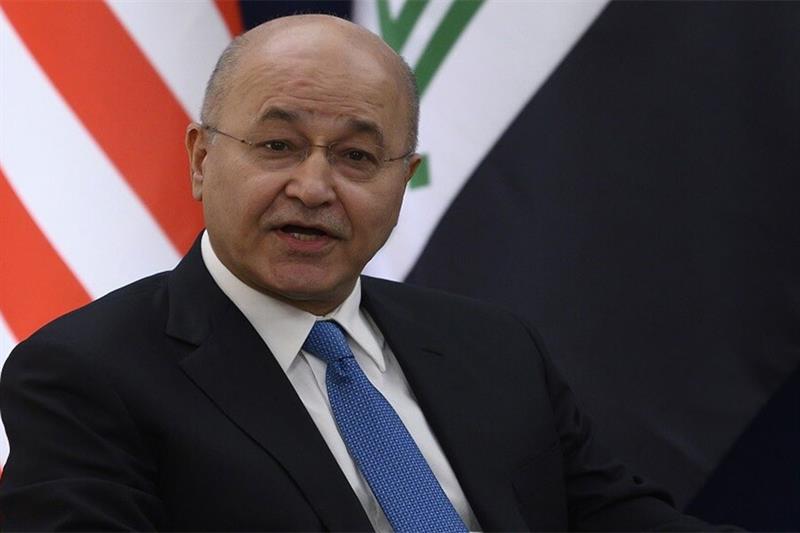
From Refugee to UNHCR High Commissioner: The inspiring Journey of Barham Salih
Mohamed Ihsan
In a remarkable chapter for global humanitarian leadership, Dr. Barham Ahmed Salih, the former President of Iraq, has been elected as the next United Nations High Commissioner for Refugees (UNHCR), the world’s leading advocate for displaced people.
His appointment, confirmed by the United Nations General Assembly in December 2025, marks not only a personal achievement but a powerful symbol of resilience, representation, and purpose. He will begin his five-year term on January 1, 2026, in Geneva, succeeding long-serving commissioner Filippo Grandi.
Beyond its individual significance, Salih’s election has captured global attention because it touches a long-standing debate over leadership representation within the United Nations system. While the UN serves a world in which the majority of conflict-affected populations come from the Middle East, Asia, and Muslim-majority countries, many of its most influential leadership positions, particularly in humanitarian and security institutions, have historically been held by officials from Europe and North America. Only a limited number of senior UN roles have been occupied by figures from these regions, despite their bearing a disproportionate share of displacement and humanitarian crises. Salih’s elevation to the helm of UNHCR, therefore, represents more than a professional milestone; it signals a gradual yet meaningful shift toward leadership that reflects the lived realities of those the organization is mandated to protect.
A life shaped by displacement
Born in 1960 in Sulaymaniyah, in Iraq’s Kurdistan region, Salih’s early life was marked by political struggle and personal risk. As a young Kurdish activist in the late 1970s, he was arrested twice by Saddam Hussein’s Ba’athist regime for his involvement in the Kurdish national movement, spending 43 days in detention where he endured harsh conditions. Following his release, he fled Iraq to avoid further persecution, beginning his first experience of displacement and setting the stage for his future work in humanitarian advocacy.
In the United Kingdom, Salih pursued higher education, earning a degree in civil engineering from Cardiff University and a doctorate in statistics and engineering applications from the University of Liverpool, preparing him for leadership roles in both academic and political spheres.
From Iraqi statesman to international leader
With the fall of Saddam Hussein’s regime in 2003, Salih returned to Iraq and quickly rose through the political ranks. His decades-long public service includes roles such as:
– [ ] Prime Minister of the Kurdistan Regional Government
– [ ] Deputy Prime Minister and Minister of Planning in Iraq’s transitional governments
– [ ] President of Iraq (2018–2022)
These positions placed him at the crossroads of governance, reform, and humanitarian concern in one of the world’s most conflict-affected regions.
As president, Salih navigated Iraq through post-ISIS recovery, political instability, and efforts toward national reconciliation, enhancing his reputation as a thoughtful reformer and consensus builder.
A historic appointment at the UNHCR
Salih’s election as High Commissioner is historic. He is the first leader from the Middle East and one of the few non-Western figures to head UNHCR in decades. His selection by consensus from the 193-member UN General Assembly reflects broad confidence in his diplomatic experience and humanitarian insight.
UN Secretary General António Guterres, himself a former head of the refugee agency, highlighted Salih’s “senior diplomatic, political and administrative leadership experience,” noting that his journey from personal hardship to international statesmanship uniquely positions him to lead the agency at a time of unparalleled global need.
In his own words, Salih has said that his lived experience as a refugee will “inform a leadership approach grounded in empathy, pragmatism, and a principled commitment to international law,” a philosophy he intends to bring to an agency facing historic challenges, including record levels of displacement and persistent funding shortfalls.
Global challenges ahead
As High Commissioner, Salih will lead UNHCR’s efforts to protect and support millions of refugees, internally displaced people, asylum seekers, and stateless persons worldwide. The organization operates in more than 120 countries and remains at the forefront of responses to crises in regions such as the Middle East, Africa, and Europe, even as global displacement figures reach unprecedented levels.
Salih’s appointment comes at a moment when the refugee crisis is not only growing in scale but also increasingly politicized. Meeting this challenge will require innovative diplomacy, renewed international solidarity, and leadership shaped by lived experience. His journey, from displacement to global leadership, serves as a powerful reminder that refugee protection is not merely a policy concern but a moral imperative rooted in shared humanity.
A moment that demands action
As High Commissioner, Salih will lead UNHCR at a time when global displacement has reached unprecedented levels and humanitarian norms face mounting political pressure. Conflicts are longer, funding gaps are wider, and the principle of asylum is increasingly contested. Meeting these challenges will require more than technical management; it will demand moral clarity, political courage, and sustained international commitment.
Salih’s appointment offers the international community an opportunity, not a conclusion. Governments, donors, and multilateral institutions must match the symbolism of his leadership with tangible support: renewed funding, fairer responsibility, sharing, and policies that uphold the rights and dignity of displaced people. His journey from refugee to global humanitarian leader is a powerful reminder that protection works when the world chooses solidarity over indifference. The test now lies not only in his leadership, but in whether the international community is prepared to act.
*The writer is a senior visiting professor at Yale University – Jackson School for Global Affairs. In 2025, he was elected secretary-general of the Afro-Asian Peoples’ Solidarity Organisation.
https://english.ahram.org.eg/NewsContent/4/0/559327/Opinion//From-Refugee-to-UNHCR-High-Commissioner-The-inspir.aspx
استراتيجية الأمن القومي الأمريكي تجاه الشرق الأوسط: ضرورة استراتيجية أوسع
مقدمة
لطالما فسرت الولايات المتحدة الشرق الأوسط لعقود طويلة من خلال منظور يركز على التهديدات، مع التأكيد على الإرهاب وعدم الاستقرار الإقليمي وانتشار الأسلحة النووية وحماية إسرائيل. ورغم أن هذه المخاوف حقيقية بلا شك، فإن هذا الإطار الضيق غالبًا ما يحجب الأهمية الجيوسياسية والاقتصادية الأوسع للمنطقة.
فالشرق الأوسط كثيرًا ما يُصوَّر على أنه منطقة إشكالية أو غير مستقرة، لكنه يلعب دورًا أساسيًا في أمن الطاقة العالمي والتجارة الدولية والتنافس بين القوى الكبرى. إن إغفال هذه الأبعاد يخلق خللاً استراتيجيًا يحد من قدرة أمريكا على تشكيل النتائج طويلة المدى في المنطقة.
أهمية الشرق الأوسط في الطاقة العالمية
يبقى الشرق الأوسط ركيزة أساسية في النظام العالمي للطاقة. وعلى الرغم من أن العالم يتحول تدريجيًا نحو مصادر الطاقة المتجددة، فإن الوقود الأحفوري لا يزال يغذي جزءًا كبيرًا من الاقتصاد العالمي، وتحتوي المنطقة على نحو ربع موارد الطاقة العالمية تقريبًا.
وترتبط استقرار إنتاج الطاقة في الشرق الأوسط ارتباطًا وثيقًا بالصحة الاقتصادية العالمية. فعندما تشهد المنطقة نزاعات أو اضطرابات في الإمدادات، ترتفع أسعار الطاقة، وتتأثر سلاسل الإمداد، وتنتشر تداعيات اقتصادية على مستوى العالم. هذه الحقيقة تجعل الشرق الأوسط ليس مجرد تحدٍ أمني، بل ركيزة لا غنى عنها للطاقة في النظام الدولي.
الممرات البحرية الاستراتيجية
تتضاعف أهمية المنطقة بفضل وجود عدد من أكثر نقاط الاختناق البحرية أهمية في العالم:
القناة السويس: أقصر طريق للشحن بين أوروبا وآسيا، وأي اضطراب فيها يؤثر فورًا على التجارة العالمية.
مضيق هرمز: أهم نقطة عبور للنفط والغاز الطبيعي المسال عالميًا.
مضيق باب المندب والبحر الأحمر: يربط التجارة بين البحر المتوسط والمحيط الهندي والأسواق الكبرى في أفريقيا وآسيا.
تشكل هذه الممرات معًا جسرًا استراتيجيًا بين الشمال والجنوب والشرق والغرب، وتأمينها حجر زاوية لاستقرار التجارة العالمية.
السياسة الأمريكية تجاه إسرائيل
رغم ذلك، غالبًا ما ظلت السياسة الأمريكية مركزة على ضمان أمن إسرائيل. ورغم أنها حليف مهم، فإن سلامتها على المدى الطويل لا يمكن أن تتحقق بمعزل عن البيئة الإقليمية الأوسع.
عدم الاستقرار في غزة ولبنان والبحر الأحمر والخليج يتردد صداه عبر المنطقة كلها ويؤثر في النهاية على إسرائيل أيضًا.
النظام الإقليمي المستقر، الشراكات الاقتصادية القوية، وإدارة النزاعات بفعالية تفيد ليس فقط الدول العربية والأسواق العالمية، بل إسرائيل نفسها. التركيز على إسرائيل وحدها قد يتجاهل الظروف التي تحدد استقرار المنطقة ككل.
تزايد النفوذ الروسي والصيني
أدركت روسيا والصين القيمة الاستراتيجية الطويلة الأمد للشرق الأوسط وتوسع وجودهما بسرعة:
الصين: ترى المنطقة حيوية لإمدادات الطاقة ولمبادرة الحزام والطريق ولتوسيع النفوذ الاقتصادي.
روسيا: تستفيد من مبيعات الأسلحة والتحالفات السياسية والتعاون في الطاقة لبناء علاقات مع حكومات تبحث عن بدائل للشراكات الأمريكية.
إذا قللت الولايات المتحدة من انخراطها أو اقتصر حضورها على الجانب الدفاعي، فإنها تخاطر بالتنازل عن النفوذ لقوى تتباين مصالحها وقيمها عن مصالحها الأمريكية.
الرؤية الاستراتيجية المتوازنة
ينبغي أن تعترف استراتيجية أمريكية متوازنة بأن الشرق الأوسط لا يُعرف فقط بتحدياته، بل أيضًا بإمكاناته الاستراتيجية:
موارد الطاقة
الممرات المائية الحيوية
الأسواق الاقتصادية
دوره في التنافس العالمي
ضمان الاستقرار الإقليمي، وتعزيز الشراكات، وتشجيع المشاركة الاقتصادية والدبلوماسية كلها مكونات أساسية لاستراتيجية تؤمن مصالح الولايات المتحدة والاستقرار العالمي معًا.
تقر هذه الرؤية بأن أمن إسرائيل، والأمن الإقليمي، والاستقرار العالمي هي أولويات متكاملة تعزز بعضها بعضًا، وليست أهدافًا منفصلة.
أثبتنا للعالم قانونياً أن ما حدث في حلبجة يُعتبر “جريمة إبادة جماعية”
عندما كان العراقيون، والكورد في مقدمتهم يتهيأون للاحتفال بعيد نوروز، حيث الربيع يكسو جبال ووديان كوردستان، تنفس أهالي حلبجة رائحة التفاح، بينما كان غبار أصفر يهطل عليهم ليقتل الجميع، الأطفال والنساء والرجال من مختلف الأعمار في أبشع جريمة قتل جماعي بالمواد الكيمياوية أحالت المدينة إلى مقبرة مكشوفة تحكي عن فجيعة لم يشهدها تاريخ العراق الحديث.
حدث ذلك قبل 37 عاماً عندما تعرضت مدينة حلبجة في 16 آذار من العام 1988 لقصف كيمياوي من قبل طائرات الجيش العراقي وباوامر صدام حسين ، وباشراف وتنفيذ ابن عمه علي حسن المجيد، الذي لُقب بعد هذه الجريمة بـ طعلي كيمياوي”. ما أدى إلى استشهاد حوالي خمسة آلاف مواطن وجرح أكثر من عشرة آلاف آخرين، إضافة إلى تشريد آلاف آخرين من سكان المدينة.
حدث ذلك ضمن ما اطلق عليها حملات (الانفال) لإبادة شعب كامل، الشعب الكوردي، وخلص تحقيق طبي أجرته الأمم المتحدة وقتذاك إلى استخدام غاز الخردل في الهجوم إلى جانب مهيجات عصبية أخرى مجهولة الهوية. وقد أعد هذا الحادث هو أكبر هجوم بالأسلحة الكيماوية في التاريخ موجه ضد منطقة مأهولة بالسكان المدنيين، وأظهرت النتائج الأولية من الدراسات الاستقصائية للمنطقة المنكوبة زيادة في معدل الإصابة بالسرطان والتشوهات الخلقية في السنوات التي تلت الهجوم.
أعتبر هجوم حلبجة رسميًا من قبل المحكمة الجنائية العراقية العليا بأنها تندرج ضمن جرائم الإبادة جماعية بحق الشعب الكردي في العراق في عهد صدام حسين. كما أدان البرلمان الكندي الهجوم واعتبره جريمة ضد الإنساني.
عندما وجه قاضي المحكمة الجنائية الخاصة بمحاكمة اركان النظام السابق، وعلى رأسهم صدام حسين، سؤاله لعلي حسن المجيد عن مسؤوليته بجريمة شن الهجوم الكيمياوي باعتباره قائد حملة الأنفال بتهمة إصدار الأوامر بالهجوم، اعترف بذلك، وقال:” لو عاد الزمن ساصدر الاوامر بتنفيذ العملية”، وقد صدر بحقه حكما بالاعدام وتم تنفيذه في وقت لاحق.
يرى الاكاديمي المتخصص بجرائم الابادة الجماعية، البروفيسور محمد إحسان، الاستاذ بجامعة لندن والاستاذ الزائر بجامعة ييل، ثالث جامعة في الولايات المتحدة، ان:” لم يتجه احد من ذوي النفوذ الدولي الفاعل وغيرهم الى تعريف الابادة الجماعية التي حصلت باستخدام الاسلحة الكيمياوية ضد الكورد في حلبجة عام 1988، الى التعريف بها كجريمة ابادة جماعية والى حين انتهاء حكم صدام حسين عام 2003″.
وقال لشبكة رووداو الاعلامية اليوم، 16 آذار 2025، بمناسبة الذكرى الـ 37 لقصف حلبجة بالاسلحة الكيمياوية”عندما سقط صدام حسين المتهم بارتكاب العديد من الجرائم تعالت الاصوات وبجهد كوردي ودولي منصف لاحتسابها كذلك، ومع كل هذا واجهت تلك الاصوات بعض المشاكل الاجرائية ذات الصلة بالوصف والتعريف والتكييف القانوني”. موضحا”ان وقائع الجريمة واجراءات المحكمة الجنائية العراقية العليا قد حددت تكييفها القانوني كجريمة ضد الانسانية وحكمت بها على هذا الاساس، وعندما رفعت القضية الى الهيئة التمييزية العليا اعتبرتها، الهيئة، جريمة إبادة جماعية”.
يضيف البروفيسور محمد إحسان، وزير حقوق الانسان السابق في حكومة اقليم كوردستان، والباحث الاكاديمية ومؤلف العديد من الكتب عن جرائم الابادة الجماعية وجرائم ضد الانسانية قائلا:” ان جريمة قصف مد معد فياض
عندما كان العراقيون، والكورد في مقدمتهم، يتهيأون للاحتفال بعيد نوروز، حيث الربيع يكسو جبال ووديان كوردستان، تنفس أهالي حلبجة رائحة التفاح، بينما كان غبار أصفر يهطل عليهم ليقتل الجميع، الأطفال والنساء والرجال من مختلف الأعمار، في أبشع جريمة قتل جماعي بالمواد الكيمياوية، أحالت المدينة إلى مقبرة مكشوفة تحكي عن فجيعة لم يشهدها تاريخ العراق الحديث.
حدث ذلك قبل 37 عاماً، عندما تعرضت مدينة حلبجة في 16 آذار من العام 1988 لقصف كيمياوي من قبل طائرات الجيش العراقي وبأوامر صدام حسين، وبإشراف وتنفيذ ابن عمه علي حسن المجيد، الذي لُقب بعد هذه الجريمة بـ”علي كيمياوي”. ما أدى إلى استشهاد حوالي خمسة آلاف مواطن وجرح أكثر من عشرة آلاف آخرين، إضافة إلى تشريد آلاف آخرين من سكان المدينة.
حدث ذلك ضمن ما أطلق عليها حملات الأنفال لإبادة شعب كامل، الشعب الكوردي، وخلص تحقيق طبي أجرته الأمم المتحدة وقتذاك إلى استخدام غاز الخردل في الهجوم، إلى جانب مهيجات عصبية أخرى مجهولة الهوية. وقد عُدَّ هذا الحادث أكبر هجوم بالأسلحة الكيمياوية في التاريخ موجه ضد منطقة مأهولة بالسكان المدنيين، وأظهرت النتائج الأولية من الدراسات الاستقصائية للمنطقة المنكوبة زيادة في معدل الإصابة بالسرطان والتشوهات الخلقية في السنوات التي تلت الهجوم.
اعتُبر هجوم حلبجة رسمياً من قبل المحكمة الجنائية العراقية العليا جريمة إبادة جماعية بحق الشعب الكوردي في العراق في عهد صدام حسين. كما أدان البرلمان الكندي الهجوم واعتبره جريمة ضد الإنسانية.
عندما وجه قاضي المحكمة الجنائية الخاصة بمحاكمة أركان النظام السابق، وعلى رأسهم صدام حسين، سؤاله لعلي حسن المجيد عن مسؤوليته في جريمة شن الهجوم الكيمياوي باعتباره قائد حملة الأنفال والمتهم بإصدار الأوامر بالهجوم، اعترف بذلك، وقال: “لو عاد الزمن سأصدر الأوامر بتنفيذ العملية”، وقد صدر بحقه حكم بالإعدام وتم تنفيذه في وقت لاحق.
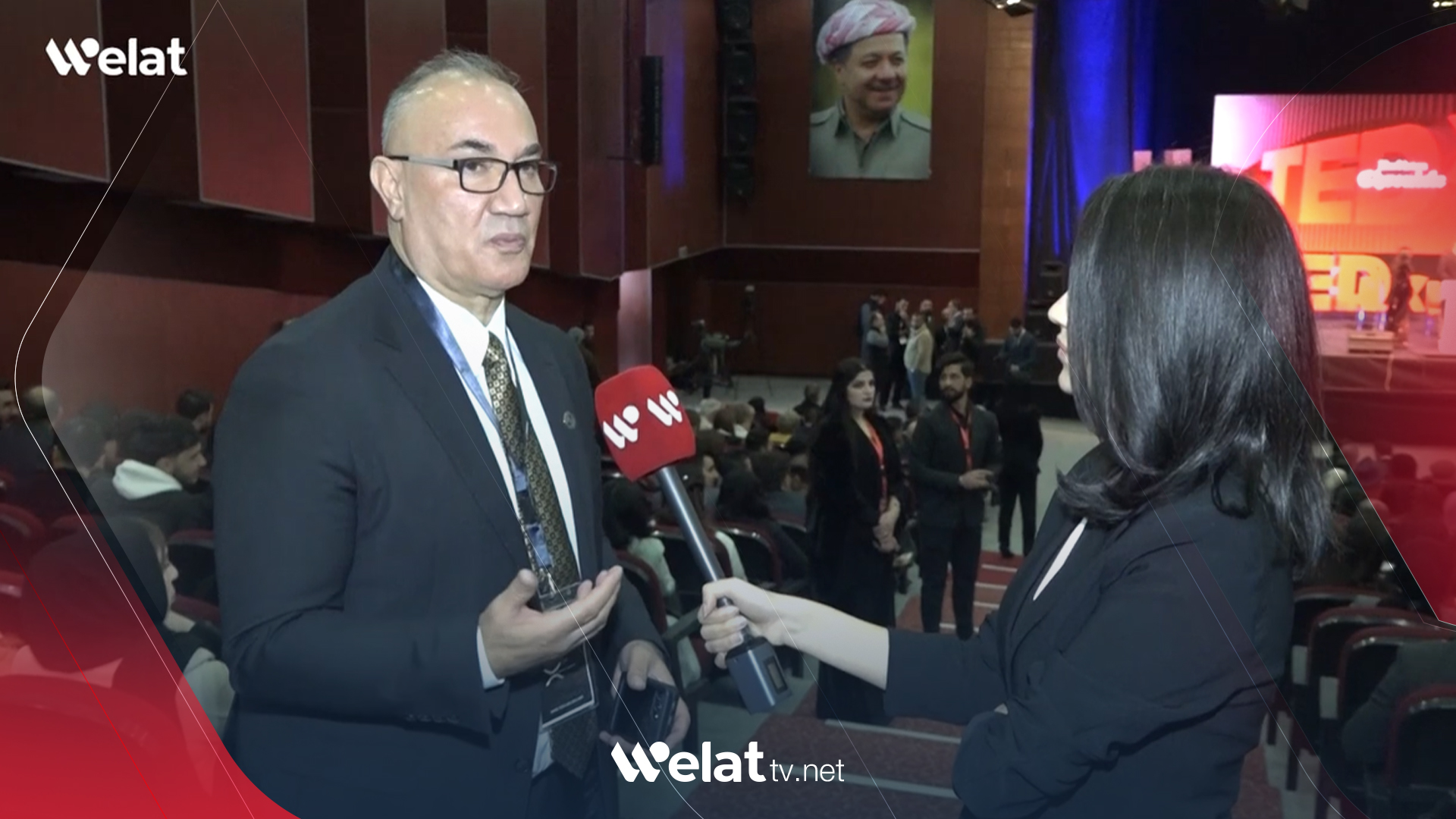
محمد إحسان لـ “ولات تيفي”: على الكورد الاستعداد لسايكس بيكو جديدة
ولات تيفي – أربيل
قال الباحث والأكاديمي الكوردي الدكتور محمد إحسان: ” إن منطقة الشرق الأوسط تتجه نحو تغييرات جذرية كبيرة، على المستوى السياسي والديموغرافي، وعلى الكورد الوقوف في صف واحد للاستعداد لما هو قادم.
أكد الدكتور محمد إحسان في حواره مع “ولات تيفي” من خلال مشاركته في أعمال وفعاليات مؤتمر “تيديكس” الذي انطلق في مدينة زاخو بإقليم كوردستان، اليوم السبت 30 تشرين الثاني 2024، أن: “الوضع في الشرق الأوسط متأزم للغاية وليس فقط في حلب، والخريطة السياسية وحدود الدول سوف تتغير بشكل كامل، وليس شرطاً أن يكون هذا التغيير لصالح الكورد، ومع وجود لاعبين جدد على الأرض، كل ذلك في ظل تعاظم قوة إسرائيل على حساب حماس وأعوانها.”
وأضاف: “النظام السوري عاجز عن الدفاع عن نفسه، ووضع الكورد غير مطمئن، كما أن التدخل التركي في الشأن السوري بات أقوى وأشرس، وكل هذا مرتبط ببعضه ضمن معادلة سياسية كبيرة.”
وحول الظروف الراهنة التي تمر بها المنطقة، أكد إحسان أنه في حال توافق الكورد في سوريا والعراق، وصبت مصالحهم وأهدافهم في خانة واحدة، وكانت هناك نية لدى الولايات المتحدة لتقديم شيء للكورد والدفاع عنهم، فإن ذلك سيلبي طموحات الشعب الكوردي ومطالبه.”
كما أشار إحسان إلى بعض الآراء المتعصبة والتي يحاول أصحابها فرضها على الآخرين بالقوة بقوله: “يجب على هؤلاء عدم فرض رؤيتهم على الآخرين، لأن الحياة ملونة وتقبل التنوع وليست بالأبيض والأسود فقط، ولن تنجح التجربة ولن يتحقق النظام بصوت واحد ولون واحد.”
ونبه إحسان الأطراف الكوردية للاستعداد للمرحلة القادمة بقوله: “يجب أن نستعد لسايكس بيكو جديدة، والتغيير الجديد كي لا تتكرر مآسينا وينقسم وطننا مرة أخرى، وكي لا نبقى خلف الأمم، ففي المرة الأولى تم تقسيم كوردستان لأربع أجزاء وليس من المستبعد أن يتم التخطيط لتقسيمها لثمانية أجزاء هذه المرة، فمن كان مستعداً سيحافظ على وجوده، ومن لم يكن مستعداً سيكون مصيره الفشل، لأن أطماع الدول الأخرى وبالأخص إيران وتركيا وحججهما الدائمة من أجل السيطرة واحتلال دول أخرى لا تتوقف عند حد معين، وتقوم دوماً بأداء دور سلبي، وتحمل نوايا سيئة ضد الشعب الكوردي.”
واختتم كلامه بقوله: “على الكورد أن يقفوا في صف واحد، ويكونوا داعمين لبعضهم لحماية أنفسهم من الأطماع الاستعمارية والتغييرات السياسية القادمة.”
“تيديكس” أربيل، هو مؤتمر منظم محلياً تابع لسلسلة مؤتمرات تيد العالمية، يقام المؤتمر سنوياً في مدينة أربيل بإقليم كوردستان، بدأ أول مؤتمر في أربيل في العام 2012.
هل نحن أمام نظام عالمي جديد أم انهيار للنظام الحالي بعد الحرب الروسية الأوكرانية؟
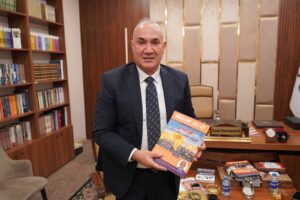
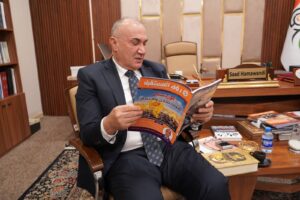
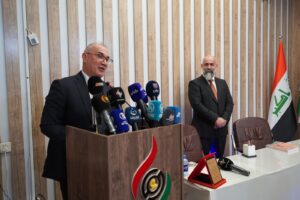
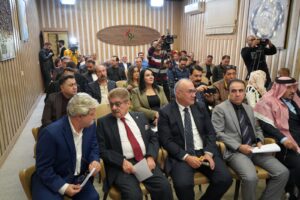
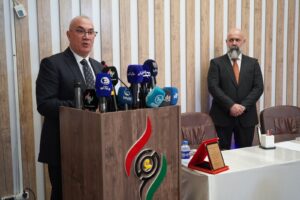
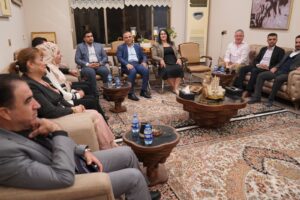
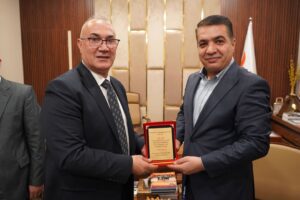
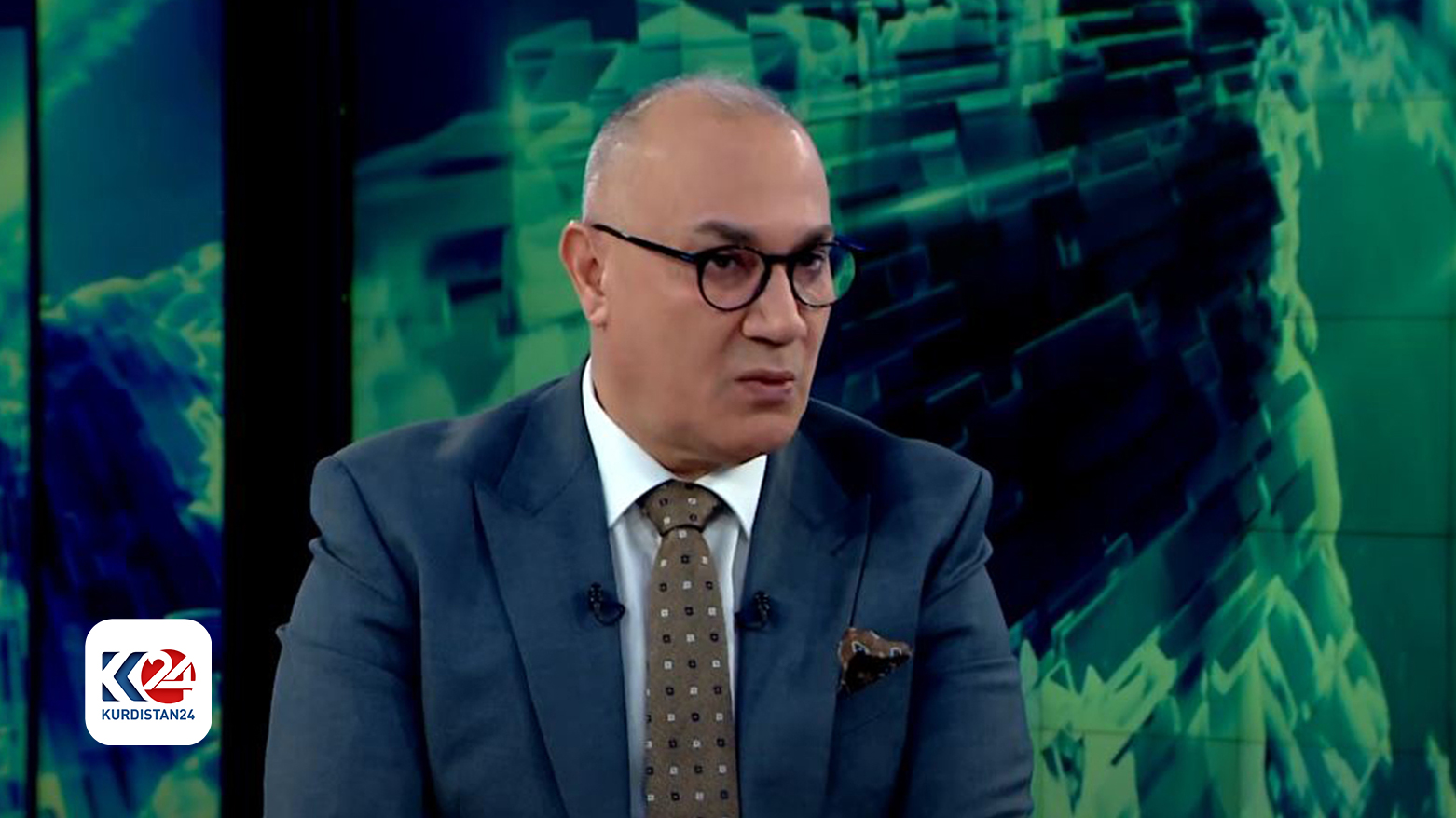
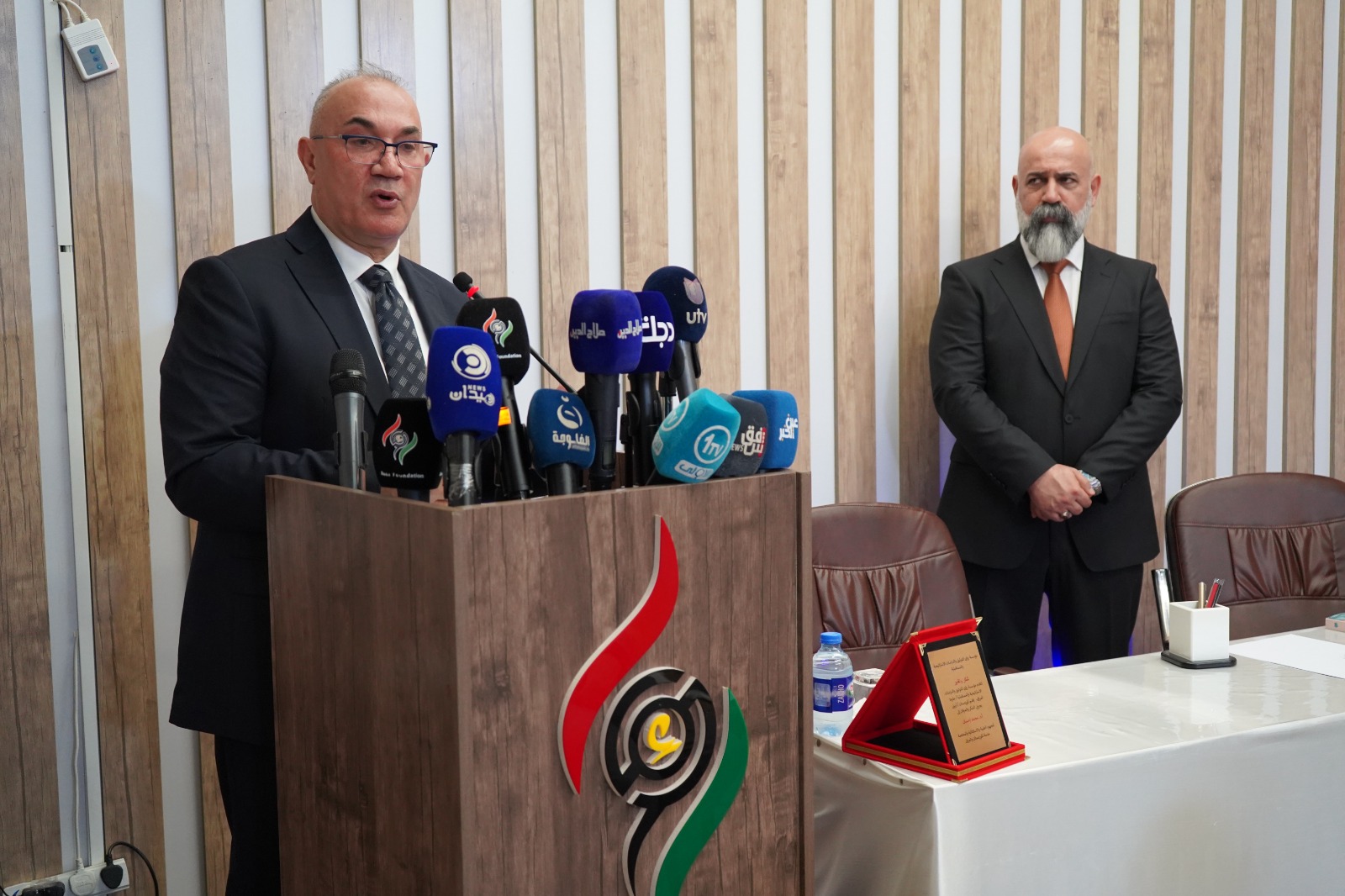
أربيل (كوردستان 24)- أكد الأستاذ الجامعي والخبير في العلاقات الدولية الدكتور محمد إحسان، اليوم الاثنين، أن الوقت قد حان لوضع حد لنشاطات حزب العمال الكوردستاني، في إقليم كوردستان والعراق.
أربيل (كوردستان 24)- أكد الأستاذ الجامعي والخبير في العلاقات الدولية الدكتور محمد إحسان، اليوم الاثنين، أن الوقت قد حان لوضع حد لنشاطات حزب العمال الكوردستاني، في إقليم كوردستان والعراق.
وقال محمد إحسان في مقابلة مع كوردستان24، إن “وجود حزب العمال الكوردستاني في العراق غير قانوني، خاصة مع وجود اتفاق بين العراق وتركيا، وقد أعلن حزب العمال الكوردستاني منظمة إرهابية”.
وأوضح أن “حزب العمال الكوردستاني يهدف من خلال حرق أسواق إقليم كوردستان إلى خلق الفوضى، والتصدي للمصالح الوطنية والقومية في الإقليم”.
وأكد أن “حزب العمال الكوردستاني يسعى إلى العمل ضد الحكومة وإقليم كوردستان باستخدام أساليب متعددة، وذلك من خلال خلق الفوضى”.
وأشار إلى أنه “حان الوقت لوضع حد لأنشطة وتحركات حزب العمال الكوردستاني في إقليم كوردستان والعراق”، موضحاً أنه “على الرغم من أن أنشطته يجب أن تقتصر على شمال كوردستان، ولكنه غير مقبول من قبل معظم السكان هناك”.
وبيّن أن “الحكومة العراقية ارتكبت خطأ كبيراً عبر الحشد الشعبي في سنجار، عندما اعتقدت أن دعمها لحزب العمال الكوردستاني في تلك المنطقة، سيؤثر سلباً على مصالح إقليم كوردستان”.
وأعلن مدير عام وزارة الداخلية في حكومة إقليم كوردستان، هيمن ميراني، اليوم الاثنين، تفاصيل حول عمليات الحرائق التي وقعت في أربيل وكركوك ودهوك مؤخراً.
وفي مؤتمر صحفي مشترك في بغداد مع الداخلية الاتحادية، صرح ميراني أن الحرائق تهدف إلى “ضرب اقتصاد الناس وإثارة غضبهم على الحكومة”، مؤكداً أن التحقيقات أظهرت أن حزب العمال الكوردستاني يقف وراء هذه الأحداث”.
وأضاف ميراني أن “الأشخاص المسؤولين عن هذه الحرائق تم تجنيدهم من قبل حزب العمال الكوردستاني في سوريا وتركيا، وتلقوا تدريبات في مناطق السليمانية وكفري. ومن بين الجناة، هونر فخر الدين أحمد، وهو موظف في الوحدة الـ 70، ومحمد نجاة حسن، ضابط في وحدة مكافحة الإرهاب بمدينة السليمانية”.
كما أوضح المتحدث باسم وزارة الداخلية الاتحادية، العميد مقداد ميري، في المؤتمر الصحفي، أن “القبض على المتورطين تم بعملية نوعية وبمتابعة دقيقة وجهود استثنائية وتنسيق بين وزارة الداخلية الاتحادية ووزارة الداخلية في الإقليم”، مشيراً إلى أن “المتورطين ينتمون إلى حزب العمال الكوردستاني”.
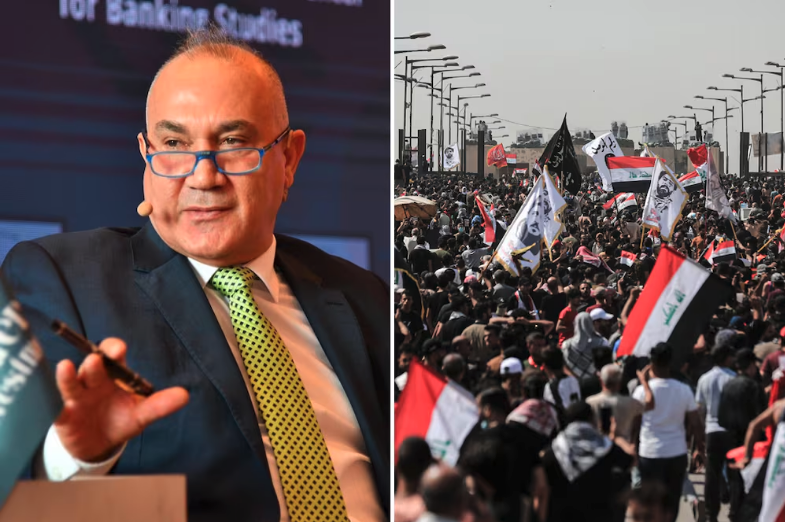
A failing post-conflict economy hit by corruption woes prompted Mohammed Ihsan to search for new solutions in academia
A failing post-conflict economy hit by corruption woes prompted Mohammed Ihsan to search for new solutions in academia
Throughout the years Mohammed Ihsan spent driving across Iraq’s dusty roads in search of mass graves that were the hallmark of Saddam Hussein’s legacy in Kurdistan, a keen sense of hope was the driving force of his mission.
Hope of a breakthrough that would offer families closure following decades of grieving for their missing sons, fathers and husbands; hope of justice for the slain victims whose bodies lay mangled in pits; hope of holding the perpetrators to account.
As Iraqis mark the 20th anniversary of the invasion of their homeland that sense of a hopeful future appears to have faded from Prof Ihsan as he looks at a country embroiled in economic turmoil. His professional focus has turned from the historical quest for justice for victims to the Iraqi economy. Its trajectory since the conflict is one of missed opportunities and endemic corruption.
The result has been a plunging Iraqi dinar, persistently high unemployment and widespread poverty. The aspirations held by people in the days after Saddam’s regime are a distant memory٫
Prof Ihsan spent 17 years serving in the Kurdistan Regional Government (KRG) and Iraq’s federal government before taking up an academic career. He told The National the dismal state of the country spurred his efforts to research new solutions for economic reform.
Prof Ihsan, who works as a visiting senior research fellow at Kings College London, now rules out a return to Iraqi’s complex world of politics. But given his lifelong quest to uncover truth where it lies buried, the former mass grave hunter does not shy away from offering his opinion on the issues blighting Iraq.
Hope has dimmed
“I think it’s a hopeless case,” he said. “We have a problem of people — the elite — coming into power and they are not ready. They are politics lovers, not politicians.
“When Iraq moved from an authoritarian system to democracy it was totally different. With the money the economy has gained since 2003 we could have built three new top-class Iraqs since then with that money. We could have the best education, the best infrastructure. But nothing has been done.
“The majority of the people are poor and are upset by what’s going on.”
US Fed acts on Iraqi corruption
Since the US-led coalition invaded Iraq in March and pushed out Saddam’s brutal regime in 2003, the US has controlled the flow of dollars to Iraq as the troubled nation’s foreign reserves have been held in the Federal Reserve.
The US Federal Reserve in February restricted Iraq’s access to its dollars in a bid to counter money laundering. The decision stemmed from fears in Washington that such misconduct is benefiting Iran and leading to the funding of terror groups.
The move underscored the endemic corruption that Iraq has struggled to shake off in the post-Saddam era. Unease about the country’s struggle to break free of dishonest conduct by those at the top is a sentiment held across society and has even penetrated the government in Baghdad.
Iraq scored towards the lower end of the scale — 23 points out of 100 — in Transparency International’s 2022 Corruption Perceptions Index.
To stabilise Iraq’s political environment, Prof Ihsan has suggested a reformed political system in which each of Iraq’s different ethnic and religious groups would have their own representatives.
“Every group is thinking about their own interests,” he said. “Iraq is one of the countries where there is a complexity of national identities. Each group translates the constitution according to their own interests. People are not united. Even if they have nothing to fight about they fight among themselves.”
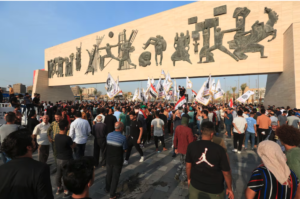
To conquer the beast of corruption Iraq needs international help, analysts say, in the same manner it required the help of outsiders to rid its land of ISIS.
Prof Ihsan backs this position, and suggested the US should serve as a supervisor of a new era of cleanhanded dealings in Baghdad.
He warns that the economic situation in the country has arrived at a “critical” point, with Iran’s influence in the country’s political system creating a “rotten apple” culture.
“No one can run a show like this,” Prof Ihsan said.
Rather than pointing fingers at foreign powers who have in the past interfered in the nation’s affairs, the time has come for Iraqis “to get their own initiative and for the US to supervise this”, he said.
Iraqi Prime Minister Mohammed Shia Al Sudani called the US Iraq’s “strategic partner” this week in a sign of his new government’s thinking on relations with Washington. Prof Ihsan has been encouraged by the new leader’s apparent willingness to work for the good of all Iraqis, including minorities, and called him a “good guy”. But he stressed that to create any change he needs the support of those around him.
The lecturer, who has published 14 books mainly on Iraqi politics, resides in Erbil. The standard of life in the semi-autonomous Kurdish region pales in comparison to the experience of Iraqis in other areas, he said.
“It’s totally different in Kurdistan,” he said. “Still, we have a lot of economic issues. ISIS still exists [and] Iran is still bombing.” He was referring to Iranian drones and rockets hitting the headquarters of Iranian Kurdish parties in the KRG last November.
Mass graves
Many moons have passed since Prof Ihsan began his intricate work of searching for mass graves.
His grim mission was the subject of a well received Channel 4 documentary in 2006, Iraq: Saddam’s Road to Hell. It explored how the former minister for human rights in the KRG worked to find the remains of about 8,000 men and boys from the Barzani clan who had disappeared from Kurdistan in the early 1980s.
At the end of the Iran-Iraq war, Saddam’s ruling Baathist party carried out what human rights campaigners say was genocide. Targeted at rural Kurds, the aim of the operation was to eliminate rebel groups who were fighting against his government and had sided with Tehran.
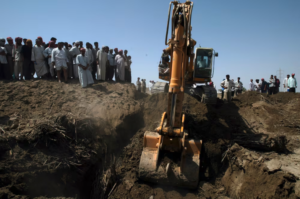
“I found a huge amount of evidence and stories which cannot be told,” he said. “I found documents in Saddam’s homes and archives.
“I found three mass graves of the Barzanis,” he said, with the sight of bodies serving as a stark legacy of “the cruelty of the [Saddam] regime”.
“Dealing with bodies and graves is not easy and it had an effect on me psychologically.”
He is not alone. In Baghdad efforts to document the mass graves are continuing. Officials say 260 mass graves have been unearthed in the last two decades, with dozens still closed because of limited resources.
A team made up of about 100 people in a section of the ministry of health continues to process remains from mass graves, one site at a time.
The unit has identified and matched DNA samples of about 2,000 people, from about 4,500 exhumed bodies.
Separately, archivists identify about 200 new victims each week by studying stacks of documents from Saddam’s Baath party, which was disbanded after his removal.
Decades on, the lecturer believes much of Iraq’s society remains traumatised from such dark days.
Prof Ihsan said many who were politicians during the 80s, 90s and after the turn of the century “accept their failures,” but the road for citizens to forgive their leaders is a difficult one and younger Iraqis will only enjoy a more prosperous future than their forefathers if they are committed to doing the work required.
“In Iraq it’s very easy for a victim to become a perpetrator. It’s also easy for a perpetrator to become a victim,” he said.
“From my work, I found out that the cheapest thing in Iraq is human life.”
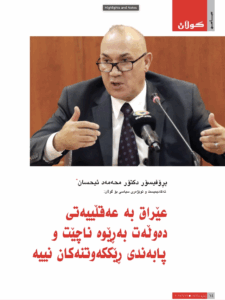
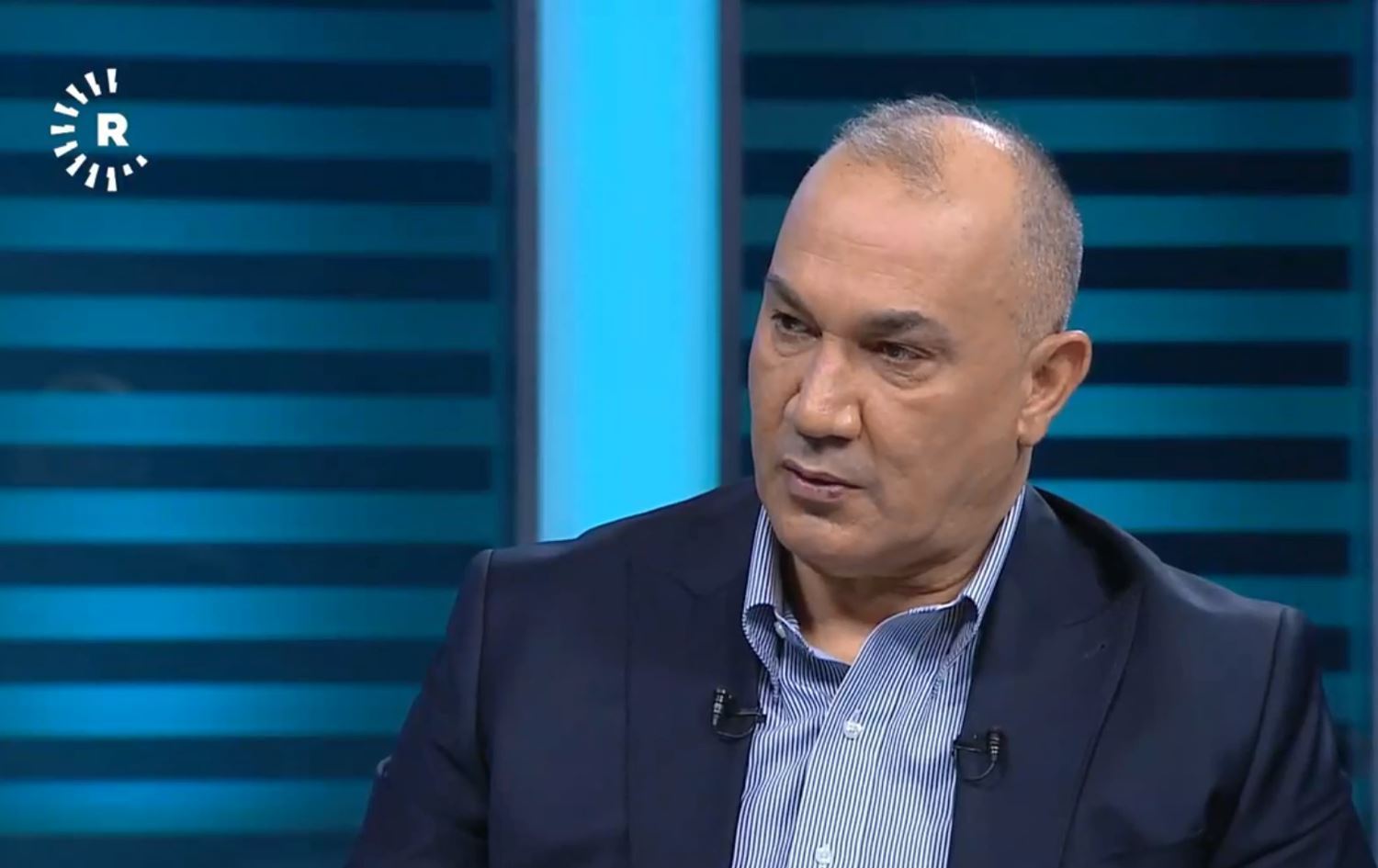
پرۆفیسۆر دكتۆر محەمەد ئیحسان ئوستاز و توێژەر لە زانكۆی ییڵ بۆ گوڵان
پرۆفیسۆر دكتۆر محەمەد ئیحسان ئوستاز و توێژەر لە زانكۆی ییڵ بۆ گوڵان
- عێراق بە وڵاتێكی جینۆساید ناسراوە و بەڕوونی چەمكی جینۆسایدی پێوە دیارە
- لەعێراق ئینكاری جینۆساید هەیە بۆیە بەردەوام ئەم تاوانە نێودەوڵەتییە دووبارە دەبێتەوە
جینۆساید بووەتە مۆركێك بەدەوڵەتی عێراقەوە ، كورد لەوەتەی هەیە بەم دەوڵەتەوە لكێنراوە هەر بەشی مەینەتی و جینۆساید بووە، لەوەش مەترسیدارتر حكومەتە یەك لەدوای یەكەكانی عێراق لەدوای رووخانی رژێمی بەعسەوە دان بەم تاوانەدا نانێن و ئینكاریشی دەكەن . بۆ قسەكردن لەسەر كەیسی ئەنفال و هەنگاوەكانی بە نێودەوڵەتیكردنی جینۆسایدی كورد ، گۆڤاری گوڵان دیدارێكی لەگەڵ پرۆفیسۆر دكتۆر محەمەد ئیحسان ئوستاز و توێژەر لە زانكۆی ییڵ سازدا لێرەدا پوختەی قسەكانی بڵاودەكەینەوە.
- كورد لەوەتەی لكێنراوە بەم دەوڵەتەی عێراقەوە هەر چارەنووس و بەشی جینۆساید و دەربەدەر و مەینەتیی بووە، بەو پێیەی بەڕێزتان پسپۆر و شارەزایت لەبواری جینۆساید و كۆمەڵكوژی كورد هەیە ، دەكرێت سەرەتای پرسیارەكەمان بەوە دەست پێ بكەین ئایا تاچەند عێراق لەكۆمەڵگەی نێودەوڵەتیدا بە دەوڵەتێكی جینۆساید ناسراوە بەتایبەتی دژی كورد وەكو نەتەوەیەكی سەرەكی لەم دەوڵەتەدا؟
- پرسیارەكەتان چەند تەوەرە و لایەنێك لەخۆ دەگرێت ، سەرەتا كەس ناتوانێت نكۆڵی لەوە بكات كە عێراق بە وڵاتێكی جینۆساید ناسراوە و بەڕوونی چەمكی جینۆسایدی پێوە دیارە، لەمێژووی دامەزراندنی ئەم دەوڵەتەوە جینۆسایدی تێدا روو دەدات بەتایبەتی دژی نەتەوەی كورد بەهەموو پێكهاتەكانییەوە ، هۆكاری ئەم جینۆسایدەش دژ بەكورد زۆرە هەروەكو چۆن شێوازی جینۆسایدەكەش لە زەمەن و قۆناغێكەوە بۆ زەمەن و قۆناغێكی دیكە جیاوازی هەیە ، یەكەمین هۆكاریش بۆ ئەوە دەگەڕێتەوە كە عێراق لەبنەڕەتدا لە ژمارەیەك نەتەوەو پێكهاتە و ئاین و ئاینزای جیاوازی پێكهاتووە ، بۆ نموونە نەتەوەكانی كورد و عەرەب و توركمانی تێدایە، لەرووی ئاینیشەوە چەندین ئاینی وەكو ئیسلام و مەسیحی و ئێزیدی و كاكەیی و پێشتر جووی تێدابووە، هەموو ئەم نەتەوەو پێكهاتانەش ناكۆكی و جیاوازی قووڵیان لەنێواندا هەبووە و لەقۆناغەكانی مێژووییەكاندا شەڕ و جەنگ و ململانێی خوێناوییان لەنێوانیاندا روویانداوە و كۆمەڵگای عێراقیان زیاتر دابەش كردووە، گەلی كوردیش ئەوەتەی هەیە لەچوارچێوەی ئەم عێراقەدا بەماف و ئازادییەكانی نەگەیشتووە و بەردەوام هەوڵی سڕینەوەی ناسنامەكەیان داوە ، بەمەش هەرگیز ئەم وڵاتە خاوەنی یەك كۆمەڵگە و ناسنامەیەیەكی هاوبەشی نەتەوەیی و ئاینی و نیشتمانی نەبووە ، هیچ كام لەم نەتەوەو ئاینانە ناسنامە نیشتمانییەكەیان پێش ناسنامە نەتەوەیی و ئاینییەكەیان نەخستووە ، كورد پێش ئەوەی عێراقی بێت كوردە و عەرەبیش پێش ئەوەی عێراقی بێت سووننەیە یاخود شیعەیە و توركمان و مەسیحی و نەتەوەو پێكهاتەكانی دیكەش بەهەمان شێوە، تەنانەت ئەوانەی ئیدعای عێراقیبوونیشیان كردووە بۆ دژایەتی كورد یاخود بۆ دەستكەوت و بەرژەوەندی كاتی و شەخسی و لێدانی ئەوەی دیكە بووە ، بۆ وادەیەكی كەم شانازیان بە عێراقیبوونیانەوە بۆ مەرام و بەرژەوەندی شەخسی و لێدانی ئەوانی دیكە كردووە ، یاخود بۆ بەدەستهێنانی پۆست و دەستكەوتی ماددی باسی عێراقچێتی بوونیان كردووە، ئەمەش لێكۆڵینەوەو توێژینەوەی زانستی زۆر هەڵدەگرێت، رەنگە ئەو دەمەی عێراق بووەتە دەوڵەت كار بۆ سڕینەوەی برینەكانی رابردوو نەكرابێت و بەردەوام نەتەوە حاكمەكان كاریان بۆ پاوانخوازی دەسەڵاتەكانیان بردووە بە زەبری هێزو چەكداری ، لەبری ئەوەی كار بۆ جەسپاندنی مافە نەتەوەیی و ئاینییەكانی نێوان ئەم نەتەوەو پێكهاتەو ئاین و ئاینزا جیاوازانە بكرێت، بەمەش كۆمەڵگەكانی ناو عێراق بە گەشە سروشتییەكەی خۆیان تێپەڕ نەبوون؟ تاوەكو دەوڵەتی دامەزراوەیی و دەستووری و یاسایی جێگای پاوانخوازی دەسەڵاتەكان و سڕینەوەی ئەوی دی بگرێتەوە، بەپێچەوانەوە بەردەوام دامەزراوە حكومی و سەربازییەكان و دادگا و دامەزراوەكانی دیكەی مەدەنی لە عێراقدا بۆ گروپێكی توندڕەو و چەكدار پاوانخواز كراوە، لەدژی ئەوانی دیكەو قەتڵوعامكردن و سڕینەوەی ناسنامەكەیان بەكارهێنراوە. ئالێرەدا كورد لەهەموو نەتەوەو پێكهاتەكانی دیكە زیاتر ئازار دراوەو جینۆساید و دژایەتی ناسنامە نەتەوەییەكەی كراوە ، بەردەوام كار بۆ سڕینەوەی ئەم ناسنامە و كلتوور و رەسەنایەتییەكەی بەدڕندەترین شێوە كراوە، لەمێژووی دامەزرانی دەوڵەتی عێراقەوە زنجیرەیەكی بەدوای یەك جینۆسایدی كورد كراوە ، لەوانەش جینۆسایدی كوردانی فەیلی و ئەنفالی بارزانی و بادینان و گەرمیان و كیمیابارانی هەڵەبجە و وێڕانكردنی گوندەكان و شاڵاوەكانی تەرحیل و تەعریب و دەیان تاوانی دیكەی زیندانیكردن و بێسەروشوێنكردنی بەكۆمەڵی كورد، هۆكاری ئەم تاوانانەش كە دەچێتە قاڵپی تاوانی نێودەوڵەتی و جینۆسایدەوە تەنیا لەبەر كوردبوون و بەرگریكردن لە شوناسە نەتەوەیی و كلتوورییەكەی بووە ، هەموو ئەمانەش نیشانەیەكی روونە بۆ لاوازی دەسەڵاتی دەوڵەت و دامەزراوە دەستووریی و یاسایی و سەربازی و وەزارەت و دامودەزگاكانی ، كە لەبری ئەوەی بەئەركی راستەقینەی خۆیان هەڵسن و وڵات بەرەو دامەزراوەیەكی مەدەنی و پێشكەوتوو ببەن بوونەتە ئامڕازێك بەدەست كەسانی شۆڤێنی و گروپی جیاوازی چەكدارییەوە بۆ ئەوەی بەناوی جۆراوجۆر و لە قۆناغ و شێوازی جیاوازدا بەردەوامی بدەن بەم تاوانە نێودەوڵەتییانەوە، كە دوورە لەهەموو عورف و بنەمایەكی ئەخلاقی و ئاینی و دەستووری و یاسایی ، تەنانەت بەپێی ئەو ماددەیانەی رێكخراوە نێودەوڵەتییەكان و پەیماننامە جیهانییەكانیش نەبووە كە عێراق خۆی واژووی كردووەو ئەندامە تێیدا ، ئەم وڵاتە ئەوەتەی دروستبووە عەشقی بەسەربازیكردن و خوێنڕشتن و شەڕوشۆڕی تێدایە ، بەڕادەیەك فەخركردن بەكوشتن و لەناوبردنی بەرامبەرەكە دەكرێت و بەبەشێك لە سەركەوتنی لەقەڵەم دەدرێت ، هەر ئەمەشە وایكردووە كلتووری لێبووردەیی و پێكەوەژیانی تێدا كەم بێت ، نەتوانراوە بگەینە قۆناغی ئاشتبوونەوەو لێكتێگەیشتن و پێكەوەژیان. لەسەردەمی دوای عوسمانییەكانەوە تاكو ئەمڕۆ ئەم واقیعە تاڵەی شەڕو خوێنڕشتن بەردەوامی هەیە و تاكو زەمەنێكی دیكەش هەر بەردەوامی دەبێت. لەمەش خراپتر ئینكار و رەتكردنەوەی تاوانەكانە ئەمەش خاڵێكی مەترسیدارە چونكە ئەگەر مرۆڤ و كۆمەڵگە و دەسەڵاتەكان بەخۆداچوونەوەیان نەبێت و دان بە تاوان و جینۆسایدەكاندا نەنێن ئەوا تاوانەكە و جینۆسایدەكە ئەگەرێكی زۆری هەیە دووبارە ببێتەوە .
- ئەمە خاڵێكی مەترسیدارە كاتێك حكومەتە یەك لەدوای یەكەكانی عێراق و رژێمەكان كە میراتگری دەسەڵاتەكانی پێش خۆیانن بەتایبەتی لە مەسەلەیەكی وا مەترسیداری جینۆسایددا كەچی ئینكاری دەكەن یاخود بەرپرسیارێتی ئەخلاقی و مێژوویی هەڵناگرن، ئایا ئەم حاڵەتە نامۆیەی عێراق چۆن چارەسەر دەكرێت؟
- بەداخەوە دوای جینۆسایدەكە عەقڵیەتەكان نەگۆڕدراون و تەنیا دەموچاوەكان و شێوازی حوكمڕانەكە بەرووكەشی گۆڕانكاری بەسەردا هاتووە، من ئاماژەم پێدا ئینكاركردنی تاوان و كۆمەڵكوژی مانای وایە رەوایەتی بەو تاوانە نێودەوڵەتییە دەدەیت، تەنانەت هیچ زەمانەتێك بۆ كورد نییە لەم عێراقەدا كەوا تاوانی جینۆسایدی بەرامبەر ئەنجامدراوە بۆ جارێكی دیكە دووبارە نەبێتەوە، من بەپێی شارەزایی و پسپۆرایەتیم لە جینۆساید وای دەبینم ئەگەر كورد زۆر بەئاگاو ووریا نەبێت و بەندوعیبرەت لە رابردوو وەرنەگرێت، ئەوا تاوانی جینۆساید دژ بە كورد دووبارە دەبێتەوە، ئەی ئەوە نییە جینۆسایدی كوردانی ئێزیدی دووبارە بووەوە، یاخود پرسیكردن و بڕینی بودجە و مووچە و بەكارهێنانی كارتی جەنگی ئابووری جۆرێك نییە لە دژایەتیكردن و جینۆسایدی كورد. لەم عێراقەدا قوربانی بووە بە جەلاد ، حزبی شیعی وا هەبووە لەزەمەنی رژێمی بەعس قوربانی بووە كەچی ئێستا بووەتە جەلاد دژی سوونە و كورد و بەموشەكی كاتیوشا و درۆنی بۆمبڕێژكراوو موشەكی گراد پەلاماری كوردستان و دامەزراوەكانی دەدەن ، هەموو شێوازەكانی دیكەی گەمارۆو بڕینی بودجە و موچە و رێگرتن لە هەناردەكردنی نەوتی هەرێمیان بەكاردەهێنن . لە ساڵی 1948 ەوە رافائیل لێمكین یاساناسی بۆڵۆنیا كە زاراوەی جینۆسایدی داهێناو لەئەنجامدا نەتەوە یەكگرتووەكان بەیماننامەی بەرەنگاربوونەوەو سزای تاوانی جینۆسایدی لە پاریس واژوو كرد، ئا لەو كاتەدا لێمكین پێی وابوو ئەم پەیماننامەیە رێگا نادات جارێكی دیكە جینۆساید دووبارە بێتەوە ، من پێم وایە بۆچوونەكەی وا دەرنەچوو جینۆساید لەجیهان و دژ بەگەل و نەتەوەی جیاواز لە ریزبەندی پێشەوەیان كورد لەو مێژووە تاكو ئێستا چەند بارە بووەوە.
- لەسەرەتای رووخانی رژێمی بەعس لە 2003 ەوە جۆرێك لە گرنگیدان بەدۆسێی گەڕان بەدوای كۆڕە بەكۆمەڵەكان و دۆسێی جینۆسایدی كورد لە شاڵاوی ئەنفالەكان هەبوو، ئایا هۆكاری ئەم پشتگوێخستنەی دۆسێی ئەنفال و جینۆساید و قەرەبووكردنەوەی قوربانییەكان بۆچی دەگەڕێتەوە؟
- گەرچی دادگاكانی عێراق و پەرلەمان دانیان بەتاوانی جینۆسایدی كورد ناوە ، بەڵام كەمتەرخەمی كورد لە جوڵاندن و بەماركێتكردنی كێشەكانی خۆی هۆكاری سەرەكی پشتگوێخستنی دۆسێی جینۆسایدە، چونكە داننان بە تاوانی جینۆساید دەبێت كۆمەڵێك رێكاری یاسایی و قەرەبووكردنەوەو دۆزینەوەی روفاتی بێسەروشوێنەكان و رێزگرتن لە ماف و شایستە داراییەكانی ئەو نەتەوەیەی بەدوادا بێت كە رووبەرووی قڕگرتن و جینۆساید بووەتەوە ، لەلایەكی دیكەشەوە كورد خۆی نەیتوانیوە ئەم جینۆسایدە بكاتە بابەتێكی سەرەكی و عەقڵیەت و رەفتاری عەرەبەكانی بەرامبەر كورد پێ بگۆڕێت و لە كۆمەڵگەی نێودەوڵەتیدا بیناسێنێت ، ئەوەتا تەنیا لای نەتەوەی كورد و تەنیا لەمانگی نیساندا باسی ئەنفال دەكرێت، لەكاتێكدا رۆڵی حزبە كوردستانییەكان و پەرلەمان و دامەزراوەكانی دەوڵەت و تەنانەت رێكخراوەكانی كۆمەڵگەی مەدەنیش لەم رووەوە زۆر لاوازن. لەدوای رووخانی رژێمی بەعس من یەكەمین كەس بووم لە بیابانەكانی عێراق كۆڕە بەكۆمەڵەكانم دۆزییەوە و ژمارەیەكی زۆری ئێسك و بروسكی ئەنفالەكانم گەڕاندەوە زێدی باوك و پاپیرانیان، گرفتەكە لەوەدا بوو لەدوای من كەسێكی دیكە بەم كارە هەڵنەستا، ئەم كارەم بەبەرپرسیارێتییەكی ئەخلاقی دانا، كۆمەڵێك دیكۆمێنت و بەڵگەنامەمان لەبەردەستدا بوو واقیعانە سەیری بابەتەكەمان كردوو دوو سێ ساڵی پێ چوو تاوەكو كۆڕە بەكۆمەڵەكانمان دیاریكردوو دەستمان بە دەرهێنانی روفاتەكان كرد، زۆر پێویست بوو كەیسەكە یەكلا بكەینەوە بەتایبەتی لە جینۆسایدی بارزانییەكان كە پیاوەكانیان بێسەروشوێنكرابوو گرفتێكی كۆمەڵایەتیشی لێكەوتبووەوە. لە 2003 و 2005 و دواتر 2013 چەند وەجبەیەكی روفاتی ئەنفالەكانمان هێنایەوە و لەكۆتایی دا كەیسەكەمان تەسلیمی وەزارەتی شەهیدانی هەرێمی كوردستان كرد.
- بەڵام وەزارەتی شەهیدان تاكو ئەمڕۆش نەیتوانیوە پرۆفیشناڵانە مامەڵە لەگەڵ دۆسێی جینۆسایدی كوردان و شاڵاوی ئەنفالەكان بكات ، پرسیار لێرەدا ئەوەیە چی بكرێت تاوەكو كەیسی جینۆسایدی كورد و شاڵاوی ئەنفالەكان بە زیندوویەتی بهێڵدرێتەوەو رێگا نەدرێت ئەم تاوانە دڕندەیە لە عێراقدا دووبارە بێتەوە ؟
- بابەتی جینۆساید و گەیاندنی راستییەكانی جینۆسایدی كورد ئەركی حكومەتی هەرێمی كوردستانە ، هەرچەندە ئەمە كاری من نییە هەڵسەنگاندن بۆ كاری ئەو بەرپرسانە بكەم كە ئەم ئەركەیان لەئەستۆ گرتووە ، بەڵام بەروونی دیارە وەكو پێویست گرنگی پێ نەدراوە. دەبێت لەبواری ئەكادیمی و زانستی كاری جیددی و گەورەی لەسەر بكرێت و لەگەڵ ناوەندە گەورەكانی لێكۆڵینەوەی جیهانی كاری لەسەر بكرێت و لە زانكۆكانی واشنتۆن و هارڤەر و ئینگلترا و سوید و وڵاتانی دیكەی جیهان كاری زانستیانەو پرۆڤیشناڵانەی تێدا بكرێت ، ئەم كەیسە نابێت بەسیاسی بكرێت سەرەتا لەرووی یاسایی و مرۆڤی و ئەخلاقییەوە كاری لەسەر بكرێت.
- لەسەرەتای قسەكانت زۆر جەختت لەسەر ئەوە كردەوە كە هیچ زەمانەتێك بوونی نییە بەوەی لەم عێراقەدا جینۆساید دژی كورد دووبارە نەبێتەوە، ئایا چی بكرێت تاوەكو بەلانی كەم ئەم جینۆسایدە بەو شێوە فراوان و مەترسیدارە دووبارە نەبێتەوە؟
- ئەم عەقڵیەتەی رەتكردنەوەی ئەوی دیكە و ئینكاركردنی جینۆساید و دەستێوەردانی دەرەكی و چەندین بابەتی دیكەی نائومێدی وەكو ململانێی سیاسی توند لەنێوان هەرێم و بەغدا هەمووی وا دەكەن ژیانی 6 ملیۆن كەس لەمەترسیدایە، ئەوەتا بڕینی قووتی 6 ملیۆن كەس و نەدانی مووچە و بودجەی هەرێم لەكاتێكدایە كە بەغدا رێگا نادات كورد نەوتەكەی خۆی بفرۆشێت ، ئەمەش جۆرێكی دیكەی جینۆسایدە بە شێوازێكی دیكە و لە ژێر پەردە و پاساوێكی دیكەدا . بۆیە دەبێت سەركردایەتی سیاسی كوردستان و حزبە كوردستانییەكان زۆر بەووردی جیددی لەسەر بابەتە نەتەوەیی و نیشتمانییەكان و دۆسێی ئەنفال و جینۆسایدی كورد كار بكەن و رێگاش نەدەن هیچ لایەنێكی سیاسی لە هێڵە گشتییەكانی پیرۆزی نەتەوەیی و نیشتمانی لابدات.